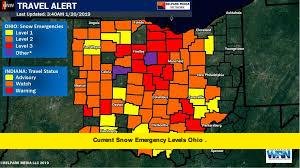
Snow Emergency Levels In Ohio: What You Need To Know To Stay Safe This Winter
Have you ever wondered what those snow emergency levels mean when Ohio counties declare them during winter storms? As a resident or visitor to the Buckeye State, understanding Ohio's snow emergency levels could be the difference between a safe journey and a dangerous situation. With Ohio's unpredictable winter weather patterns, from lake-effect snow to ice storms, knowing how to interpret and respond to these warnings is essential for everyone who lives in or travels through Ohio during the winter months.
Snow emergencies in Ohio are not just bureaucratic announcements—they're critical safety measures designed to protect residents and coordinate emergency response efforts during severe winter weather. Each level indicates specific road conditions and restrictions that directly impact your ability to travel, work, and access essential services. Whether you're a lifelong Ohioan or new to the state, this comprehensive guide will help you understand everything you need to know about Ohio's snow emergency levels, from Level 1 through Level 3, and how to prepare for winter weather emergencies.
Understanding Ohio's Snow Emergency Levels System
Ohio's snow emergency levels system was developed by the Ohio Committee for Severe Weather Awareness to provide a standardized approach to winter weather warnings across the state's 88 counties. Each county's sheriff has the authority to declare snow emergency levels based on current and forecasted weather conditions, road safety assessments, and the ability of emergency services to respond effectively.
The system operates on a three-level scale, with each level representing increasing severity of weather conditions and corresponding restrictions. These levels are designed to protect both motorists and emergency responders while ensuring that essential services can continue operating during winter storms. Understanding the distinctions between each level is crucial for making informed decisions about travel and safety during Ohio's challenging winter months.
Level 1 Snow Emergency: The First Warning
When a county sheriff declares a Level 1 snow emergency, it signals that road conditions are hazardous due to blowing and drifting snow, and roads may also be icy. During a Level 1 emergency, motorists are advised to drive very cautiously and be prepared for changing conditions. This level typically indicates that while roads are passable, drivers should exercise extreme caution and allow extra travel time.
At Level 1, there are no specific travel restrictions or prohibitions. Businesses generally remain open, schools may operate on normal or slightly delayed schedules, and public services continue as usual. However, the declaration serves as an official warning that conditions are deteriorating and may worsen. Many Ohio residents use Level 1 declarations as a signal to complete any necessary travel before conditions become more severe, such as picking up children from school or stocking up on essential supplies.
Level 2 Snow Emergency: Heightened Caution Required
A Level 2 snow emergency indicates that roads are hazardous with blowing and drifting snow, and roads may also be very icy. This level represents a significant escalation from Level 1, with more dangerous driving conditions and increased risk of accidents or becoming stranded. During a Level 2 emergency, only those who feel it is necessary to drive should be on the roads.
The key distinction at Level 2 is the recommendation for essential travel only. While there are no legal restrictions on who can drive, the declaration strongly advises against non-essential travel. Many employers in Ohio have policies that excuse tardiness or absences during Level 2 emergencies, recognizing the increased danger to employees attempting to commute. Public services may experience delays or reduced operations, and some businesses might close early or delay opening to allow employees to travel safely.
Level 3 Snow Emergency: The Most Severe Warning
Level 3 represents the most severe snow emergency classification in Ohio. When a Level 3 emergency is declared, it means that all roadways are closed to non-emergency personnel. This level indicates extremely dangerous conditions where travel is considered perilous and may be prohibited by law enforcement.
During a Level 3 emergency, only emergency workers, including police, fire, emergency medical services, and utility crews, are permitted on the roads. Those who must travel for personal emergencies may do so, but they should contact local law enforcement first to inform them of their intended route and purpose. Violating a Level 3 emergency declaration can result in misdemeanor charges, fines, and potential arrest. Additionally, your vehicle may be subject to removal from the roadway at the owner's expense.
County-Level Variations and Local Authority
One important aspect of Ohio's snow emergency system is that each of the state's 88 counties operates independently when it comes to declaring emergency levels. This means that neighboring counties might be at different levels simultaneously, depending on their specific weather conditions and road situations. For example, a county in northeastern Ohio might be at Level 3 due to lake-effect snow, while a county in central Ohio remains at Level 1 or has no emergency declared.
This county-by-county approach allows for more precise and localized responses to weather conditions. The sheriff of each county has the authority to assess conditions and declare the appropriate level based on factors such as snowfall rates, wind conditions, temperature, road treatment effectiveness, and the status of emergency services. This localized control ensures that declarations accurately reflect the conditions residents are actually experiencing in their specific areas.
How to Stay Informed About Snow Emergency Levels
Staying informed about current snow emergency levels is crucial for making safe decisions during winter weather events. Several reliable sources provide up-to-date information about emergency declarations across Ohio's counties. The Ohio Committee for Severe Weather Awareness maintains a comprehensive website that tracks current emergency levels by county, updated in real-time as new declarations are made.
Local news stations, both television and radio, provide frequent updates about weather conditions and emergency levels, often with dedicated emergency alert systems. Many Ohio counties have text alert systems or mobile apps that notify residents of emergency declarations and other important information. Social media platforms, particularly the official accounts of county sheriffs and emergency management agencies, offer another avenue for receiving timely updates about snow emergency levels in your area.
Preparing for Winter Weather Emergencies
Preparation is key to staying safe during Ohio's winter months, especially when snow emergency levels are in effect. Creating a winter emergency kit for your home and vehicle can make a significant difference if you find yourself caught in severe weather. For your home, this kit should include items like flashlights, batteries, non-perishable food, water, blankets, a first-aid kit, and a battery-powered weather radio.
For your vehicle, a winter emergency kit should contain items such as blankets, warm clothing, non-perishable snacks, water, a flashlight, extra batteries, a first-aid kit, sand or cat litter for traction, a small shovel, and jumper cables. It's also wise to keep your gas tank at least half full during winter months to prevent fuel line freezing and to ensure you have enough fuel if you become stranded. Additionally, make sure your cell phone is fully charged before traveling during winter weather, and consider carrying a portable phone charger.
The Science Behind Snow Emergency Declarations
The decision to declare snow emergency levels isn't arbitrary—it's based on careful assessment of multiple weather and road conditions. Meteorologists and emergency management officials consider factors such as snow accumulation rates, wind speeds and direction, temperature fluctuations, and the effectiveness of road treatment efforts when determining appropriate emergency levels.
For instance, a relatively small amount of snow combined with high winds might create blizzard-like conditions that warrant a higher emergency level than a larger snowfall with calm conditions. The timing of the storm also matters—snow that falls during rush hour creates different challenges than snow that falls overnight. Road crews' ability to keep up with conditions, the availability of salt and other treatment materials, and the forecast for subsequent hours all factor into the decision-making process for declaring emergency levels.
Impact on Daily Life and Business Operations
Snow emergency levels significantly impact daily life and business operations throughout Ohio. When higher levels are declared, schools typically close or delay opening, affecting millions of students and working parents. Many businesses adjust their operations, with some closing entirely while others implement remote work policies where possible. Healthcare facilities and other essential services must maintain operations, often requiring special accommodations for staff who cannot safely travel.
The economic impact of snow emergencies can be substantial, affecting everything from retail sales to construction schedules. Delivery services may be delayed, supply chains disrupted, and scheduled appointments postponed. However, these disruptions are intentional safety measures designed to protect lives and property. Most Ohio employers have established policies for handling snow emergency situations, recognizing that employee safety must take precedence during severe weather events.
Winter Driving Safety Tips During Snow Emergencies
If you must drive during a snow emergency, especially at Level 1 or 2, certain safety practices can help protect you and your passengers. First and foremost, reduce your speed significantly below posted limits—remember that speed limits are set for ideal conditions, not winter weather. Increase your following distance to at least six to eight seconds behind the vehicle in front of you, giving yourself more time to react if they stop suddenly.
Ensure your vehicle is properly equipped for winter driving with good tire tread, functioning windshield wipers, and adequate antifreeze levels. Clear all snow and ice from your vehicle before driving, including the roof, hood, and all windows—flying snow from vehicles is a serious hazard to other drivers. Keep your headlights on for visibility, even during daylight hours, and avoid using cruise control on slippery surfaces. Most importantly, if conditions become too dangerous, find a safe place to pull off the road and wait for conditions to improve.
Historical Context: Major Snowstorms in Ohio
Ohio has experienced numerous significant winter storms throughout its history that have tested the snow emergency system. The Blizzard of 1978 remains one of the most memorable, with hurricane-force winds and record snowfalls that paralyzed much of the state for days. More recently, the February 2010 snowstorm dumped up to 20 inches of snow across parts of Ohio, leading to widespread Level 3 emergencies and days of cleanup efforts.
These historical events have helped refine and improve Ohio's emergency response systems. Each major storm provides lessons about what worked well and what needs improvement, leading to better communication systems, more efficient road treatment strategies, and more effective coordination between counties and state agencies. Understanding this historical context helps appreciate why the current snow emergency system is structured the way it is and why compliance with emergency declarations is so important.
The Role of Road Crews and Emergency Services
Behind the scenes of Ohio's snow emergency system are the dedicated road crews and emergency service personnel who work tirelessly during winter storms. Ohio's Department of Transportation (ODOT) and county road crews operate around the-clock during severe weather, plowing roads, spreading salt and other de-icing materials, and working to keep major thoroughfares passable.
These crews often work 12-hour shifts in challenging conditions, facing the same hazardous roads they're working to clear. Their efforts are coordinated with sheriff's departments and emergency management agencies to determine when conditions warrant emergency declarations. The effectiveness of these road crews directly influences how quickly emergency levels can be reduced or lifted, and their work is essential for restoring normal travel conditions after winter storms.
Conclusion
Understanding Ohio's snow emergency levels is more than just knowing what the different levels mean—it's about being prepared, staying informed, and making safe decisions during winter weather events. From Level 1's cautionary advisory to Level 3's complete travel restrictions, each level serves a specific purpose in protecting Ohio residents and coordinating emergency response efforts.
As winter approaches each year, take time to prepare your home and vehicle, establish communication plans with family members, and identify reliable sources for emergency information. Remember that while snow emergencies can be inconvenient, they exist to protect lives. By respecting these emergency levels and following the guidance of local authorities, you're contributing to community safety and helping ensure that emergency services can effectively respond to those in need during Ohio's challenging winter months.
Stay safe this winter, Ohio, and remember: when in doubt about travel conditions, it's always better to stay home than to risk dangerous winter roads. Your safety and the safety of others depend on making wise decisions during snow emergencies.