"I'm A Baby Kitty, Where's Mama?": Understanding Kitten Development And Care
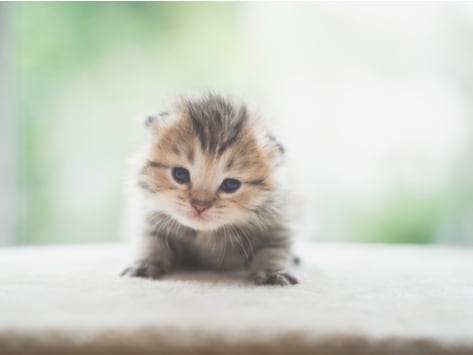
Have you ever heard a tiny kitten's plaintive cry of "I'm a baby kitty, where's mama?" This heart-melting phrase captures the vulnerability and dependence of newborn kittens on their mothers. Whether you're a new kitten parent, a foster caregiver, or simply an animal lover, understanding kitten development and maternal care is crucial for ensuring these tiny felines thrive.
Kittens are born completely helpless, blind, and deaf, relying entirely on their mothers for survival. The bond between a mother cat and her kittens is one of nature's most beautiful relationships, characterized by constant care, protection, and nurturing. But what happens when this bond is disrupted, or when you're caring for an orphaned kitten? Let's explore the fascinating world of kitten development and maternal care.
The First Days: Newborn Kitten Development
Newborn kittens enter the world weighing just 3-4 ounces, with their eyes and ears sealed shut. During these first days, the mother cat, or queen, provides everything her babies need. She keeps them warm, stimulates them to eliminate waste, and provides nutrient-rich milk that contains antibodies to protect them from disease.
The mother's role extends beyond just physical care. She establishes a strong emotional bond through constant physical contact, gentle grooming, and responding to their cries. This early bonding is crucial for the kittens' emotional development and helps them feel secure in their environment.
The Critical Role of Maternal Care
A mother cat's care is nothing short of remarkable. She creates a safe, warm nest, typically in a quiet, secluded area. She feeds her kittens every 2-3 hours around the clock, and her milk is perfectly formulated to meet their nutritional needs. The mother also keeps the nest meticulously clean, consuming the kittens' waste to maintain hygiene and avoid attracting predators.
Beyond the basics of feeding and cleaning, the mother cat teaches her kittens essential life skills. Through play and gentle correction, she shows them how to groom themselves, use the litter box, and interact appropriately with other cats. This early education is vital for developing well-adjusted adult cats.
When Mama's Not There: Caring for Orphaned Kittens
Sometimes, kittens find themselves without their mother due to abandonment, illness, or death. When you hear that tiny voice asking, "I'm a baby kitty, where's mama?" and there's no mother cat to answer, human caregivers must step in. Caring for orphaned kittens is a demanding but rewarding responsibility.
Orphaned kittens require round-the-clock care, including feeding every 2-4 hours with a specialized kitten milk replacer (never cow's milk), keeping them warm with heating pads or hot water bottles, and stimulating them to eliminate waste with a warm, damp cloth. The first few weeks are critical, and kittens need to be weighed daily to ensure they're gaining weight appropriately.
The Weaning Process: Transitioning to Independence
Around 3-4 weeks of age, kittens begin the weaning process, gradually transitioning from mother's milk to solid food. The mother cat naturally encourages this by spending more time away from the nest and bringing prey to her kittens. For orphaned kittens, caregivers can introduce a gruel made from kitten milk replacer mixed with wet kitten food.
Weaning is a gradual process that continues until the kittens are about 8 weeks old. During this time, they develop crucial skills like eating independently, using the litter box, and playing with their siblings. These experiences help them develop the coordination and social skills they'll need as adult cats.
Socialization: Learning to Be a Cat
Between 2 and 7 weeks of age is a critical period for kitten socialization. During this time, kittens learn what it means to be a cat from their mother and siblings. They develop bite inhibition through play with their littermates, learn proper grooming techniques by watching their mother, and understand feline body language and communication.
For orphaned kittens, human caregivers must provide socialization opportunities. This includes gentle handling, exposure to different sights and sounds, and opportunities for appropriate play. Well-socialized kittens grow into confident, friendly adult cats who are comfortable with human interaction.
Common Health Concerns in Young Kittens
Kittens are vulnerable to several health issues, especially in their first few weeks of life. Upper respiratory infections, parasites, and digestive problems are common concerns. The mother cat's antibodies provide some protection, but orphaned kittens are particularly at risk.
Regular weight checks, monitoring for signs of illness (like lethargy, diarrhea, or nasal discharge), and keeping the kittens in a clean, warm environment are essential for maintaining their health. If you're caring for orphaned kittens, establishing a relationship with a veterinarian who can provide guidance and medical care is crucial.
The Importance of Environmental Enrichment
As kittens grow and become more active, providing appropriate environmental enrichment becomes important. The mother cat naturally creates a stimulating environment through play and exploration. For orphaned kittens or those in human care, providing toys, climbing structures, and safe spaces to explore helps support their physical and cognitive development.
Simple items like paper bags, boxes, and crinkle toys can provide hours of entertainment and help kittens develop their hunting instincts and coordination. Supervised play sessions with human caregivers also help strengthen the bond between kittens and their human family.
When to Seek Veterinary Care
Knowing when to seek veterinary care is crucial for kitten health. Signs that a kitten needs medical attention include failure to gain weight, lethargy, diarrhea lasting more than 24 hours, difficulty breathing, or persistent crying. For orphaned kittens, even minor health issues can quickly become serious due to their small size and limited reserves.
Regular veterinary check-ups are recommended to ensure kittens are growing properly and receiving appropriate vaccinations and parasite prevention. Early intervention can make a significant difference in outcomes for sick or struggling kittens.
Conclusion: Nurturing the Next Generation
Understanding the needs of baby kittens and the critical role of maternal care helps us provide better support for these vulnerable little creatures. Whether you're caring for a kitten who's asking, "I'm a baby kitty, where's mama?" or supporting a mother cat with her litter, your efforts make a real difference in their lives.
The journey from helpless newborn to independent young cat is a remarkable process that requires patience, dedication, and love. By providing appropriate care, nutrition, and socialization, we can help ensure that every kitten has the best possible start in life. Remember, every kitten deserves a warm, loving environment where they can grow into healthy, happy cats who enrich our lives with their unique personalities and companionship.